Halloween Spider Vector Illustration Review for Real Projects
As an experienced embroidery designer and product reviewer, I often find myself evaluating digital graphics with a critical eye—especially when they're intended for real-world use. The Halloween Spider Vector Illustration is one such design that caught my attention for its thematic appeal and potential in both handmade and commercial projects. Let’s take a closer look at how this design holds up under practical scrutiny.
First Impressions: Mood and Visual Personality
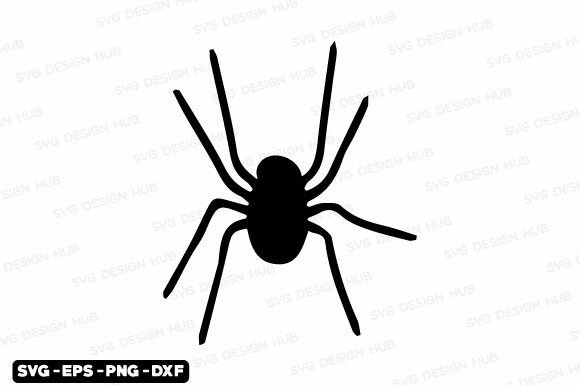
The moment I opened the Halloween Spider Vector Illustration file, it was clear this wasn’t just another generic SVG. The silhouette of the spider is bold yet elegant, giving off a classic retro Halloween vibe. It doesn’t scream “spooky,” but instead offers a subtle nod to the season that feels more like a stylish statement than a cliché. The clean lines and balanced proportions suggest it's been thoughtfully crafted for embroidery application.
I found the layout particularly appealing—it’s centered well and has enough negative space to allow room for text or additional design elements if needed. For someone working on a tote bag design, this makes it easier to integrate into larger compositions without feeling cramped or lost. The detail level is moderate; there are no overly intricate patterns that could complicate stitch rendering, but just enough shading and shape to give depth and character.
Who This Design Appeals To
From a marketability standpoint, this illustration fits naturally into seasonal craft businesses, especially those targeting adults who appreciate nostalgic Halloween aesthetics. Whether you’re an Etsy seller crafting personalized gifts or a small shop owner looking to launch limited-edition holiday items, this design brings a touch of sophistication to your offerings.
Real-Life Embroidery Use Cases
Let’s break down where this design might shine in actual production:
- Custom Apparel: The spider looks great on sweatshirts and t-shirts, particularly when placed asymmetrically along the sleeve or near the hem. Its silhouette allows for good visibility from a distance, which is key for wearable art.
- Baby Items: While not inherently spooky, the spider can work well as a playful motif on baby onesies or hoodies if paired with softer colors and a whimsical font.
- Embroidered Patches: The retro feel translates beautifully into embroidered patches. It’s simple enough to stitch by hand or machine and would add a unique flair to denim jackets, bags, or even Halloween costumes.
- Pillow Covers & Tea Towels: These household items benefit from strong visual themes, and the spider illustration complements Halloween-themed interiors or kitchen sets. Just be sure to consider fabric texture and stabilizer needs for optimal results.
- Holiday Gifts: This design could easily become part of a themed gift set—think custom mugs, aprons, or ornament bases. Its understated style works well with other vintage-style motifs included in the bundle.
- Etsy Listings & Boutique Branding: The vector format ensures scalability, so using it as part of a printable mockup or digital embroidery file preview adds professionalism to your listings. It also supports brand consistency if you're building a seasonal collection.
One standout feature is how the design maintains clarity across different file formats—SVG, EPS, and JPEG. That versatility means you can use it for cutting applique shapes or as a visual reference for color placement. The lack of tiny lettering or complex fill areas is a blessing for hobbyists and professionals alike.
Where Caution Is Advised
While the Halloween Spider Vector Illustration is visually strong, there are a few considerations to keep in mind before stitching it onto your final product:
- Small Hoop Sizes: The design may appear too large or lose impact if used in a smaller hoop. If you plan to resize it, test the outcome carefully to maintain proportion and detail.
- Textured Fabrics: Stitch density and coverage are important here. On fabrics like flannel or felt, the spider might need extra stabilizer or a denser satin stitch to retain its crisp edges.
- Stretchy or Thin Fabric: Stretch can distort the shape of the spider if not properly stabilized. Consider using a tear-away or cutaway stabilizer depending on the material.
- Dark Backgrounds: Thread color contrast becomes crucial. The default thread palette provided might not pop on darker materials. Always test thread choices on a sample piece first.
- Curved Surfaces: If you're applying the design to a curved surface like a cap or hat, make sure to adjust the layout accordingly and check for any distortion after resizing.
- Detailed Corners: The spider’s legs have some sharp angles that could challenge less advanced machines. If you're working with older equipment or a budget-friendly embroidery machine, run a trial stitch on scrap fabric.
Also, while the design is excellent for holiday embroidery and general crafts, it’s not ideal for everyday-use products that undergo frequent washing. The fill stitch areas might pill over time unless high-quality threads and proper tension settings are used.
Impact on Product Value and Customer Perception
In terms of visual appeal, the Halloween Spider Vector Illustration elevates the finished product. It conveys a sense of handmade authenticity and seasonal charm that customers respond to. As a retro-inspired design, it aligns well with current trends in vintage-style home decor and apparel, making it a smart choice for craft business owners aiming to stand out in crowded markets.
Stitching clarity is generally good. The simplicity of the silhouette ensures that the spider remains recognizable even after multiple washes or wear. When applied correctly, it enhances the professionalism of your work and builds customer trust in the quality of your handmade products.
For giftability, the design strikes a balance between festive and tasteful. It won't alienate those who prefer subtler holiday themes, nor will it feel too childish for adult audiences. This dual appeal makes it suitable for both personal and commercial projects, including boutique branding or small shop merchandise.
Designer Notes: Practical Tips for Use
Before committing to a full batch of custom apparel or selling this as a machine embroidery design, here are some best practices:
- Test on Scrap Fabric: Always try the design on a similar material before moving to your final product. Especially if you’re planning to customize it further or pair it with other designs.
- Check Thread Color Contrast: The default thread colors may not suit all fabric types. Adjust the palette to ensure visibility and aesthetic harmony.
- Review Stitch Density: Dense stitch areas can cause puckering or stiffness. Modify stitch density where necessary, especially on stretchy or delicate materials.
- Confirm Hoop Size: Although the exact hoop size isn't listed, always verify based on your machine’s capabilities and the design’s scale.
- Inspect Small Details: While not overly detailed, the spider’s limbs and curves should be examined for smoothness and alignment. A misaligned curve can affect the overall look.
- Use Proper Stabilizer: Depending on the fabric, choose the right stabilizer type (tear-away, cutaway, or wash-away) to avoid distortion and ensure durability.
- Test in Black and White: If you're unsure about color choices, create a black-and-white mockup to see how the design stands out against the background.
- Compare Light and Dark Fabrics: See how the spider looks on white cotton versus navy fleece. This helps determine thread color suitability and overall visual impact.
- Check Licensing Before Selling: Since the design is part of a digital download bundle, confirm whether it’s licensed for commercial use if you plan to sell the finished product or offer it as a digital embroidery file.
Final Thoughts: A Versatile Design with Seasonal Charm
The Halloween Spider Vector Illustration is a solid addition to your design assets library, especially if you're working on sweatshirt embroidery, tote bags, or holiday-themed accessories. Its retro charm gives it a timeless quality, and the vector format ensures it scales well for both small embellishments and larger decorative pieces.
However, don’t overlook the importance of testing and adjusting before mass production. Even the best-looking digital design can fall flat if stitch settings aren’t optimized for your specific project. Take the time to understand how the design behaves in your environment and with your materials.
If you're looking for something that balances elegance with a hint of spookiness, this design delivers. Just remember: context is everything. Choose the right fabric, thread, and presentation to let the spider truly shine in your next embroidery project.