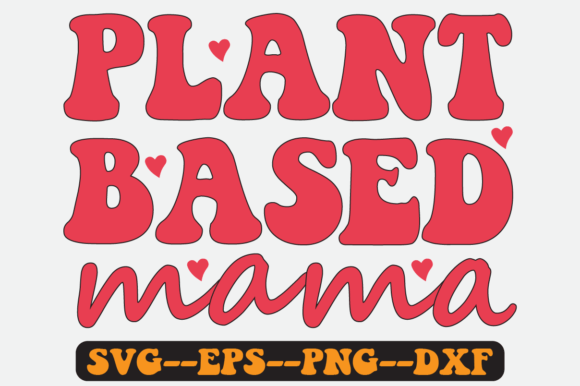
Plant Based Mama Quote Retro Svg Design Review
Design Notes for Embroidery Projects
- Test on scrap fabric first: Especially important if you're planning to use it for commercial embroidery. You’ll want to see how the stitch density looks on your chosen material.
- Check thread color contrast: The default thread colors may work well on light backgrounds, but for dark fabric, you’ll need to adjust them manually in your software.
- Review stitch density: Dense areas, like the fill stitches around the letters, can cause puckering if not adjusted properly. Lighten the density slightly for knit fabrics.
- Confirm hoop size: While the exact dimensions aren't provided, I'd estimate a medium-sized hoop (around 6x8 inches) would be appropriate for most uses. For smaller items like patches or caps, consider scaling down carefully.
- Inspect small details: Though not overly complex, the corners and edges of the letters deserve attention. If you're embroidering on a curved surface like a cap, you may need to modify the design to fit the curve better.
- Test in black and white mockups: This helps evaluate how the design will appear once printed or stitched, especially if you're creating digital previews or printable mockups for your Etsy listings.
- Use proper stabilizer: A tear-away or cut-away stabilizer is recommended depending on the fabric type. Thin or stretchy materials will benefit most from added support.
- Check licensing before selling finished items: Always confirm whether the design permits commercial use. That’s essential for any craft business owner or digital product seller.
Where to Use With Caution
Small hoop sizes: Scaling the design too much can lead to loss of detail, especially in the lettering. Make sure to test scaled versions on different fabric types before finalizing production.
Textured or stretchy fabrics: These can distort the lines and curves of the design. Stick to woven or stable knits for best results.
Dark fabric: Without high-contrast thread colors, the design may become difficult to read. Consider using metallic threads or adding a running stitch outline for visibility.
Curved surfaces: Caps, hats, or other curved items require adjusting the design layout to follow the natural contour of the surface. Otherwise, the text could end up slanted or stretched after stitching.
Frequent washing: If you're planning to use this on baby clothes or kitchen towels, ensure the design is stitched securely and the thread is colorfast. High-density areas may wear faster over time.