Powered by Plants Retro SVG Design Review
As an embroidery designer with years of experience in creating and evaluating digital embroidery files for real-world applications, I’ve come across countless designs that promise something special but fall short when it comes to practical use. The Powered by Plants Retro SVG Design is one that caught my eye not just for its aesthetic but also for the thoughtful way it’s been constructed for versatility and usability. Let me walk you through how this design performed during a recent project of mine.
A First Glance at the Design
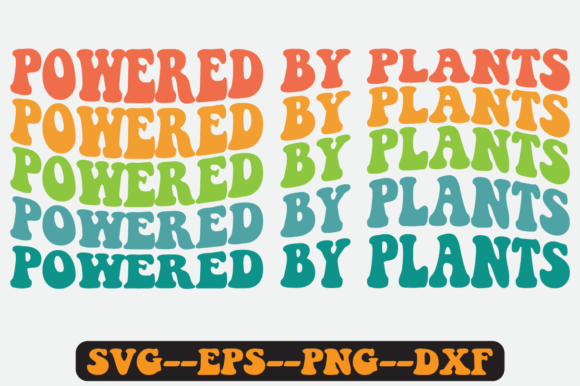
The moment I opened the digital embroidery file, the Powered by Plants Retro SVG Design struck me as a well-balanced blend of vintage charm and modern eco-conscious messaging. It features a stylized plant motif intertwined with a soft, retro-style vegan quote — the kind of visual language that resonates with handmade enthusiasts and conscious consumers alike. The layout is clean, with intentional spacing between elements, which immediately suggested good adaptability for different products and placements.
I was working on a custom embroidered tote bag for a local wellness store, and I wanted something that felt both nostalgic and aligned with their brand values. This design offered exactly that. The shape is rounded and organic, making it feel approachable rather than rigid or overly structured. The level of detail is moderate — enough to show character without overwhelming the fabric or machine capabilities. It’s clearly crafted with crafts and graphics in mind, and from a first glance, it seemed like it would translate well into physical form.
Real-World Application: Tote Bag Embroidery
For my tote bag project, I used a cotton-polyester blend fabric, which is common for reusable bags. I tested the design using a 6x10 hoop size and found that the overall proportions fit comfortably within the space. The retro font has enough weight and stroke width to maintain clarity after stitching, even when scaled down slightly. That’s crucial for small projects where legibility can be lost if not designed carefully.
The plant elements were stitched using a combination of satin stitch and fill stitch techniques, which worked well together. The lines of the leaves had a smooth running stitch pattern, while the center of the design was filled with a more open texture to avoid bulkiness. This balance is important for tote bags, especially those meant for daily use and frequent washing.
When completed, the design looked professional and added a subtle yet meaningful touch to the finished product. Customers who saw the mockup before purchase were drawn to the message and style, which speaks to the visual appeal and handmade product presentation. It’s the kind of design that feels intentional — not just decorative, but purposeful.
What I Liked About It
- Design personality: It evokes a sense of mindfulness and sustainability, which is increasingly popular in today’s craft market.
- Scalability: The elements are proportionally spaced, allowing for resizing without losing clarity or structural integrity.
- Color options: While the original design uses muted tones, it can easily be adapted to bold thread colors depending on the project and fabric choice.
- Printability: As a sublimation-ready PNG, it also works well for digital prints on items like mugs, tumblers, and apparel, giving it dual functionality.
Where to Use It Carefully
- Small hoop sizes: If you’re planning to scale the design down for a patch or cap embroidery, inspect the tiny lettering and ensure your machine can handle the finer details.
- Stretchy or thin fabrics: Because the design includes some denser areas, especially around the text, you’ll want to test it on stretchy materials like rayon or jersey to prevent puckering or distortion.
- Dark fabric backgrounds: The default thread colors may not contrast well enough. Consider switching to white or cream threads if using on black or dark-colored items.
- Textured surfaces: Items like canvas aprons or burlap gift bags might require additional stabilizer to keep the stitches consistent and sharp.
- Curved surfaces: When applying the design to a curved surface such as a cap or mug, make sure the layout flows naturally with the contour and doesn’t look stretched or misaligned.
Customer Reactions and Project Fit
After completing the tote bag project, I presented it to a group of potential buyers at a local craft fair. Their reactions were overwhelmingly positive. Many appreciated the message behind the design and commented on how it subtly communicates a lifestyle choice without being preachy. This makes it a strong candidate for personalized gifts, holiday embroidery, and even commercial embroidery for shops selling ethical products.
I also tried it on a baby onesie as part of a nursery decor line. Here, the design’s gentle curves and simple color scheme made it feel calming and appropriate for young children. However, I noticed that the text needed a bit more emphasis for better visibility from a distance — another reason to always preview the design on actual fabric before finalizing production.
Design Notes for Crafters and Etsy Sellers
- Always test on scrap fabric first to assess stitch behavior and adjust tension if necessary.
- Check thread color contrast against your chosen fabric to ensure the design stands out.
- Review stitch density settings, particularly in the dense corner areas of the text, to avoid overstuffing the fabric.
- Confirm your hoop size fits the full design, especially if adding extra embellishments or decorative accents.
- Inspect small details like leaf tips or letter serifs to see if they hold up under repeated use or washing.
- Use proper stabilizer for delicate or wash-prone items to maintain shape and quality.
- Test a black-and-white version of the design to see how it performs if you plan to simplify the thread palette.
- Compare the design on light and dark fabric backgrounds to understand how it affects product value and customer trust.
- If using for commercial purposes, double-check licensing terms to ensure you can sell finished products or design assets legally.
Why This Design Works Well in Handmade Projects
One of the standout qualities of the Powered by Plants Retro SVG Design is its ability to add character without becoming distracting. For hobbyists and creative entrepreneurs, this means it can elevate a simple item into something memorable. Whether it's a sweatshirt embroidery piece for a boutique or a custom apparel order for a client, the design brings a cohesive, artisanal feel that aligns with handmade aesthetics.
It also contributes positively to brand consistency. For businesses focused on sustainability, wellness, or ethical fashion, this design offers a subtle yet powerful symbol that supports their mission. And for Etsy sellers, the retro vibe combined with a modern message creates a unique hook that can increase buyer engagement and set your listings apart from generic offerings.
Gift Ideas and Decor Uses
- Embroidered patches for denim jackets or backpacks — perfect for personalization and layering.
- Pillow covers with the design centered in the middle or off to the side for a casual, bohemian look.
- Kitchen towels or tea towels with the design near the top corner, paired with other minimalist motifs.
- Holiday gifts — think embroidered aprons or baby caps with a seasonal twist applied to the background or layout.
- Boutique branding — use it on staff uniforms or branded merchandise to reinforce a natural, plant-based identity.
Final Thoughts for Embroidery Designers
The Powered by Plants Retro SVG Design isn't flashy, but it’s effective. It balances simplicity with intentionality, which is rare in today’s fast-moving craft market. As someone who often works with embroidery projects that need to be both beautiful and functional, I appreciate how this design maintains its structure and message across different scales and applications.
That said, it’s not a one-size-fits-all solution. You’ll want to consider the nature of the fabric, the placement on the garment, and the end-use scenario before committing to a large batch. But with a little testing and adjustment, this design can become a reliable asset in your portfolio — whether you're making personalized gifts, building a craft business, or preparing digital product previews for online sales.
Overall, I’d say it’s a solid addition to any embroiderer’s collection. It brings a fresh, plant-inspired energy to everyday items and helps create a finished product that feels thoughtfully made — exactly what customers are looking for in handmade and personalized goods.